
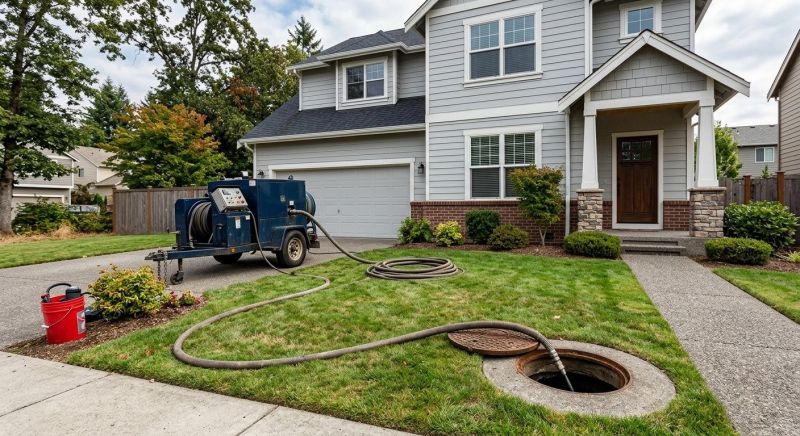
Clogged Sewer Repair in Austin, TX
Clogged sewer repair services address issues related to blockages or obstructions within a property's main sewer line. These projects typically involve diagnosing the cause of the clog, which can be caused by tree roots, accumulated debris, or broken pipes, and then restoring proper flow. Homeowners often request this service when experiencing slow drains, foul odors, or backups in toilets, sinks, or showers, as these are common signs of sewer line problems that require professional attention to prevent further damage or property issues.
Before requesting sewer repair services, property owners should understand the scope of the problem, including whether the clog is localized or affects the entire sewer line. It’s also helpful to know if there are any visible signs of damage, such as recurring backups or unusual odors, and to be aware of the age and condition of the existing sewer system. Clear communication about these details can assist in determining the most effective repair approach and ensure that the project addresses the underlying cause of the blockage efficiently.
Many property owners in Austin, TX look into Clogged Sewer Repair for repairs, replacements, upgrades, and appearance-related improvements.
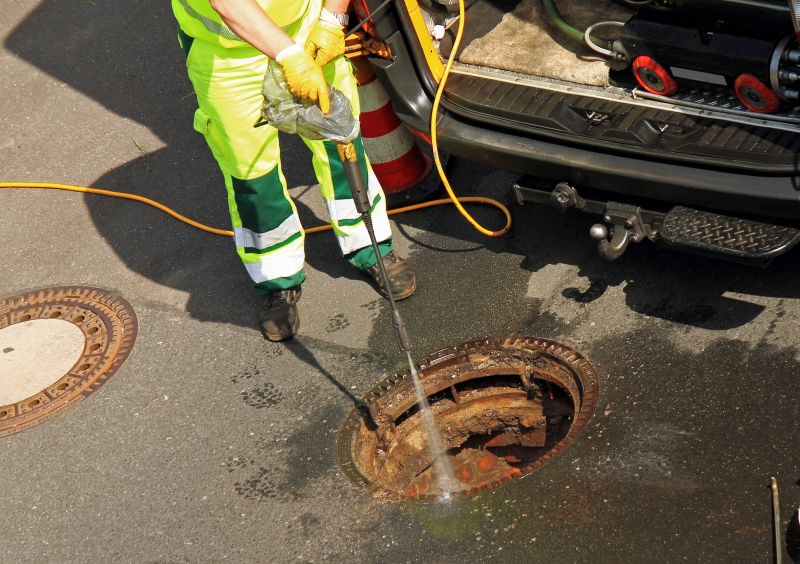
Signs Of Sewer Blockages
Slow drains, gurgling sounds, and foul odors can indicate a clogged sewer line.
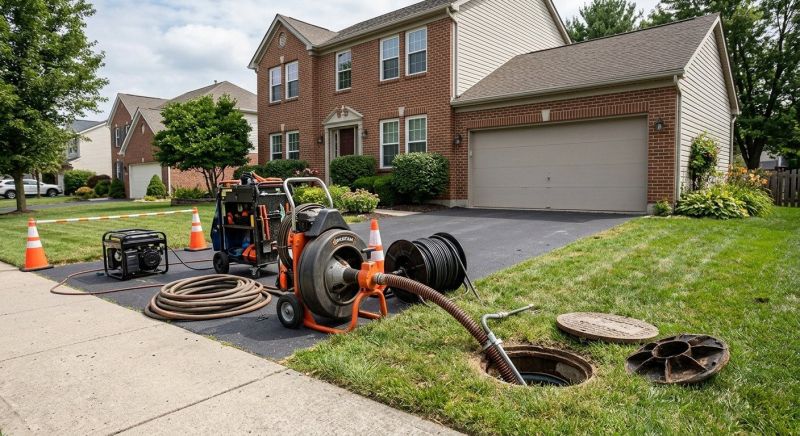
Common Causes Of Clogs
Grease buildup, foreign objects, and tree root intrusion are frequent reasons for sewer blockages in austin homes.
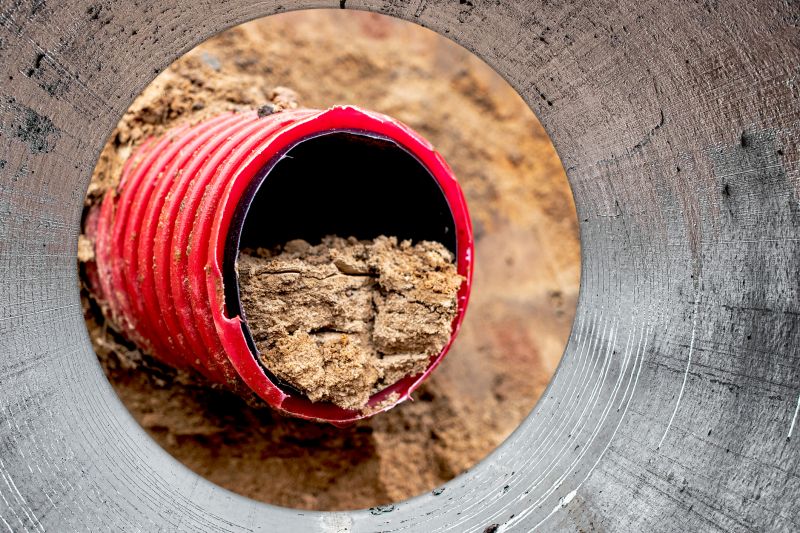
Preventative Maintenance Tips
Regular inspections and mindful disposal help maintain clear sewer lines and prevent costly repairs.
Clogged Sewer Repair in Austin, TX

Clogged sewer repair services address issues related to blockages or obstructions within a property's main sewer line. These projects typically involve diagnosing the cause of the clog, which can be caused by tree roots, accumulated debris, or broken pipes, and then restoring proper flow. Homeowners often request this service when experiencing slow drains, foul odors, or backups in toilets, sinks, or showers, as these are common signs of sewer line problems that require professional attention to prevent further damage or property issues.
Before requesting sewer repair services, property owners should understand the scope of the problem, including whether the clog is localized or affects the entire sewer line. It’s also helpful to know if there are any visible signs of damage, such as recurring backups or unusual odors, and to be aware of the age and condition of the existing sewer system. Clear communication about these details can assist in determining the most effective repair approach and ensure that the project addresses the underlying cause of the blockage efficiently.
Many property owners in Austin, TX look into Clogged Sewer Repair for repairs, replacements, upgrades, and appearance-related improvements.
Common Clogged Sewer Repair Jobs
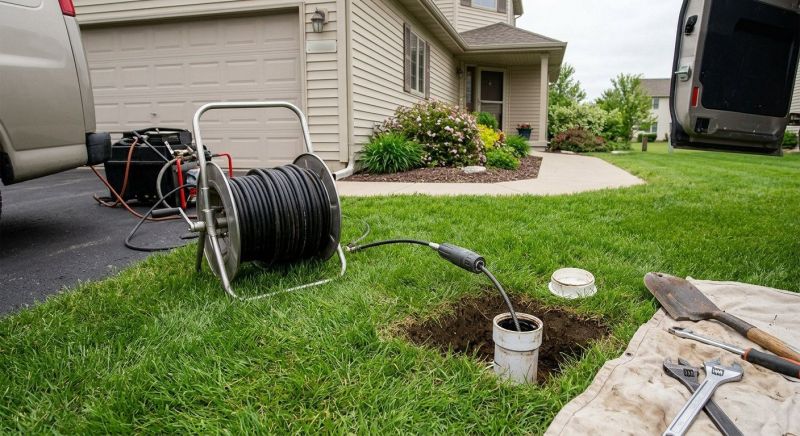
Residential sewer line repair - addresses blockages and damage within home sewer systems.
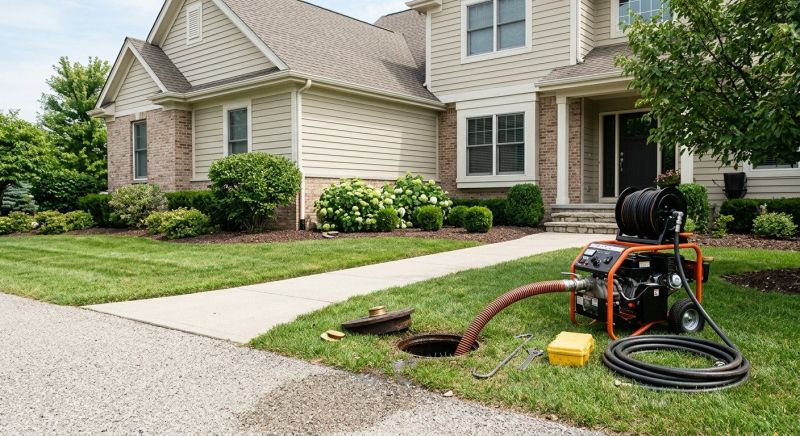
Main sewer line clearing - removes stubborn clogs blocking the primary sewer outlet.
Drain line snaking - breaks up debris causing slow or backed-up drains.
Video pipe inspection - identifies the location and extent of sewer line issues.
Emergency sewer blockage removal - provides quick response for sudden sewer backups.
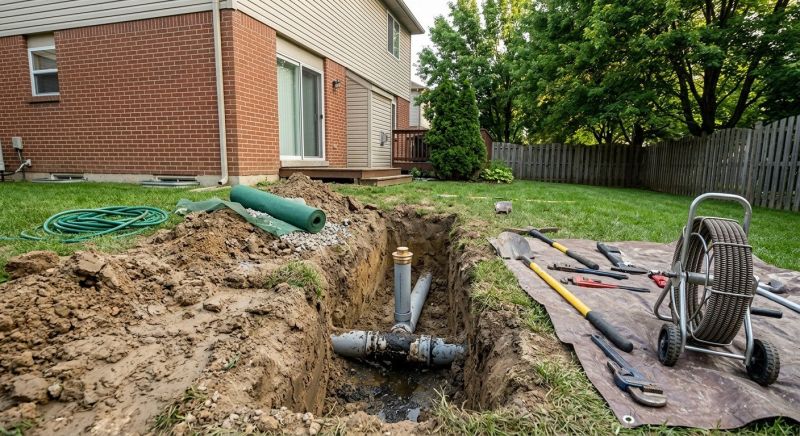
Pipe replacement and relining - restores damaged sewer pipes without extensive excavation.
Clogged Sewer Repair Questions
What causes sewer clogs in homes? Common causes include buildup of grease, hair, soap scum, and foreign objects that block the pipes.
How can I tell if my sewer is clogged? Signs include slow draining sinks, gurgling sounds, and unpleasant odors coming from drains or toilets.
Are sewer clogs a serious issue? Yes, they can lead to backups and water damage if not addressed promptly.
What is the typical solution for a clogged sewer? The process usually involves removing the blockage with specialized tools or equipment to restore flow.
Request Clogged Sewer Repair in Austin, TX
Use the quote form on this page to share the basics of your project and request more information for the type of work you need.