
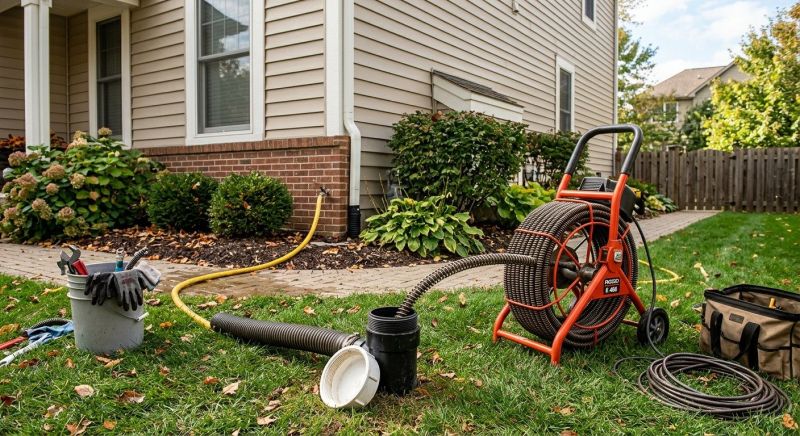
Sewer Line Cleaning in Denver, CO
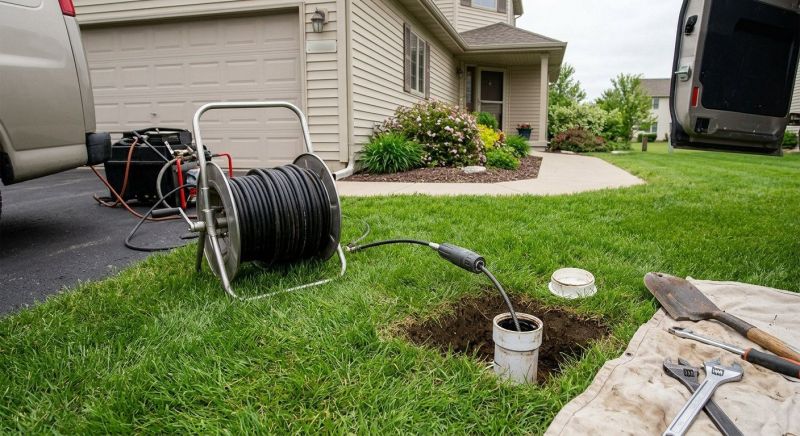
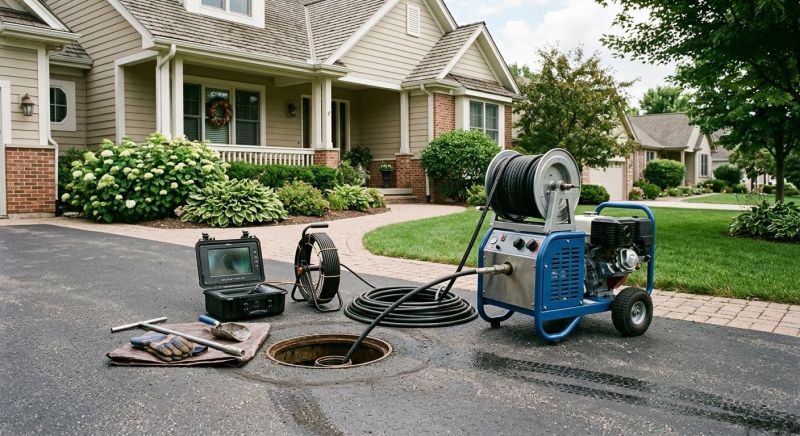
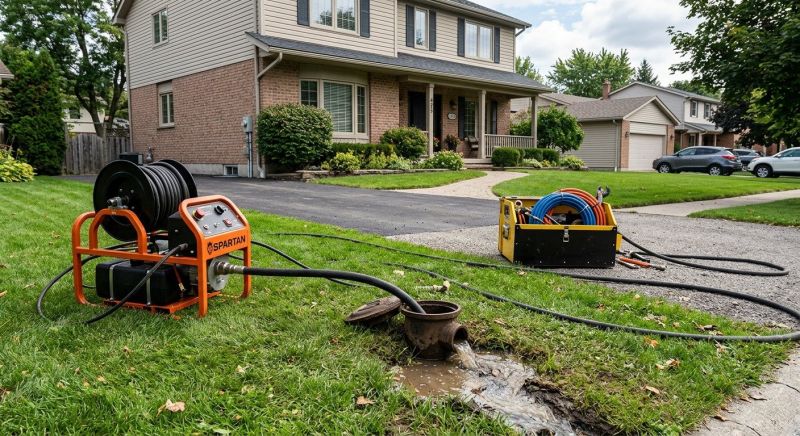
Sewer line cleaning is a service designed to remove blockages, buildup, and debris from underground sewer pipes that serve residential properties. This process typically involves the use of specialized equipment to clear out clogs caused by grease, tree roots, or accumulated waste, helping to restore proper flow and prevent backups. Projects can range from routine maintenance to address slow drains, to more extensive work on damaged or aging sewer lines that may be causing persistent problems within the plumbing system.
Homeowners considering sewer line cleaning often want to understand the scope of the service, including what types of blockages can be addressed and how the process may impact their property. It is helpful to know if the service includes thorough inspection of the sewer lines, what signs indicate a need for cleaning, and how often maintenance might be recommended to prevent future issues. Contacting a professional can provide guidance on whether sewer line cleaning is appropriate for specific plumbing concerns or property conditions.
Many property owners in Denver, CO look into Sewer Line Cleaning for repairs, replacements, upgrades, and appearance-related improvements.
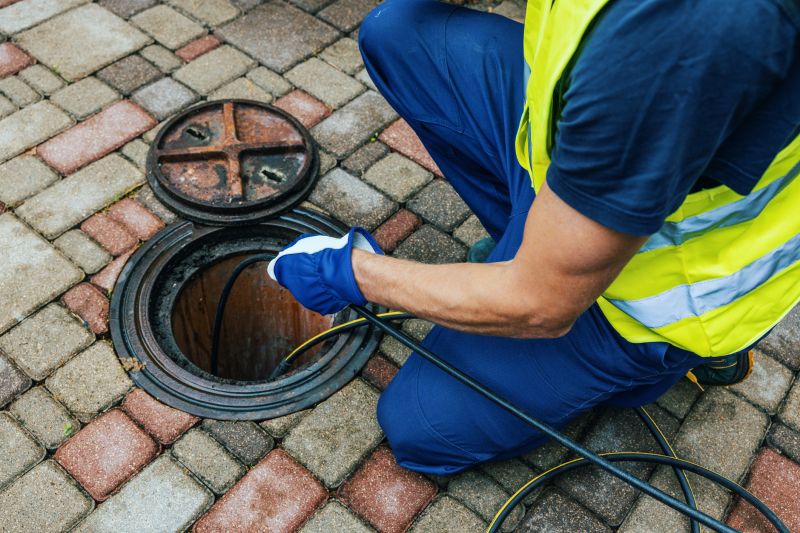
Signs Of Sewer Line Blockages
Slow drains, gurgling sounds, or foul odors may indicate a sewer line issue.
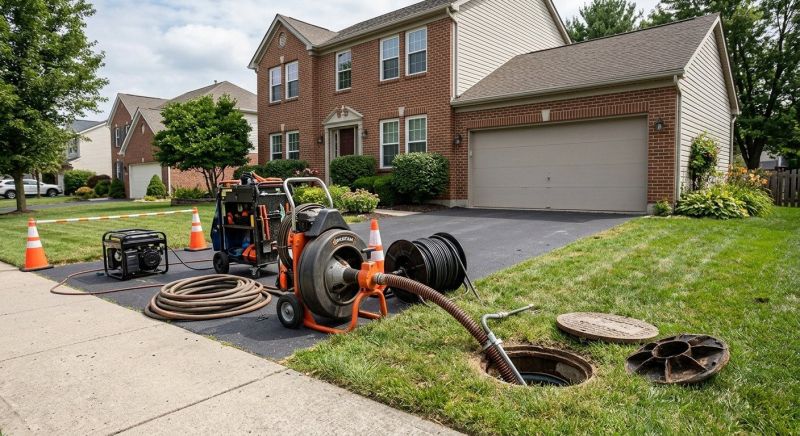
Benefits Of Professional Cleaning
Regular sewer line cleaning helps prevent backups and maintains proper flow in denver homes.
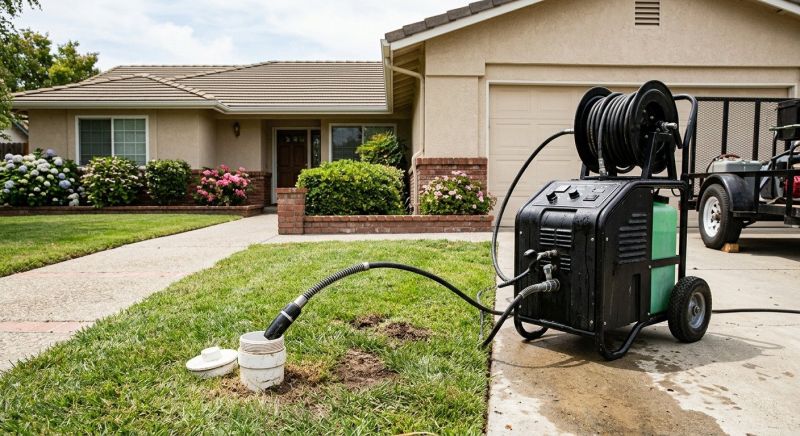
Common Causes Of Sewer Clogs
Grease buildup, tree roots, and debris are frequent contributors to sewer line obstructions.
Sewer Line Cleaning in Denver, CO

Sewer line cleaning is a service designed to remove blockages, buildup, and debris from underground sewer pipes that serve residential properties. This process typically involves the use of specialized equipment to clear out clogs caused by grease, tree roots, or accumulated waste, helping to restore proper flow and prevent backups. Projects can range from routine maintenance to address slow drains, to more extensive work on damaged or aging sewer lines that may be causing persistent problems within the plumbing system.
Homeowners considering sewer line cleaning often want to understand the scope of the service, including what types of blockages can be addressed and how the process may impact their property. It is helpful to know if the service includes thorough inspection of the sewer lines, what signs indicate a need for cleaning, and how often maintenance might be recommended to prevent future issues. Contacting a professional can provide guidance on whether sewer line cleaning is appropriate for specific plumbing concerns or property conditions.
Many property owners in Denver, CO look into Sewer Line Cleaning for repairs, replacements, upgrades, and appearance-related improvements.
Common Sewer Line Cleaning Jobs
Sewer line cleaning - removes blockages and buildup to restore proper flow.
Drain clearing services - addresses slow drains caused by debris or grease buildup.
Main sewer line flushing - clears out accumulated sludge and waste from the main line.
Pipe inspection and cleaning - identifies issues and thoroughly cleans interior pipe surfaces.
Clog removal for residential drains - resolves stubborn clogs in kitchen, bathroom, or laundry drains.
Preventative sewer maintenance - helps avoid future backups through regular cleaning and inspections.
Sewer Line Cleaning Questions
What are signs that sewer line cleaning is needed? Signs include slow drains, gurgling sounds, or unpleasant odors coming from fixtures.
How often should sewer lines be cleaned? Regular cleaning is recommended if there are recurring clogs or signs of blockage, typically every few years.
What causes sewer line blockages? Common causes include tree roots, debris buildup, grease, or damaged pipes.
Is sewer line cleaning disruptive to property? Proper techniques minimize disruption, but some minor inconvenience may occur during the process.
Request Sewer Line Cleaning in Denver, CO
Use the quote form on this page to share the basics of your project and request more information for the type of work you need.